
Modern homes are evolving, and so are the ways people use their outdoor areas. As living costs rise and space becomes more valuable, homeowners are looking for creative ways to expand without the stress of moving or major renovations. This is where garden rooms have emerged as a stylish, practical, and flexible solution for extra living space.
Whether you need a quiet workspace, a relaxing retreat, or a multifunctional family area, garden rooms offer endless possibilities. With thoughtful design and smart construction, they can completely transform how you use your property while adding both comfort and value.
What Are Garden Rooms?
Garden rooms are fully functional structures built within your outdoor space, designed for year-round use. Unlike basic sheds or storage units, these spaces are insulated, weather-resistant, and tailored for comfort. They bridge the gap between indoor and outdoor living, offering a peaceful environment just steps away from your home.
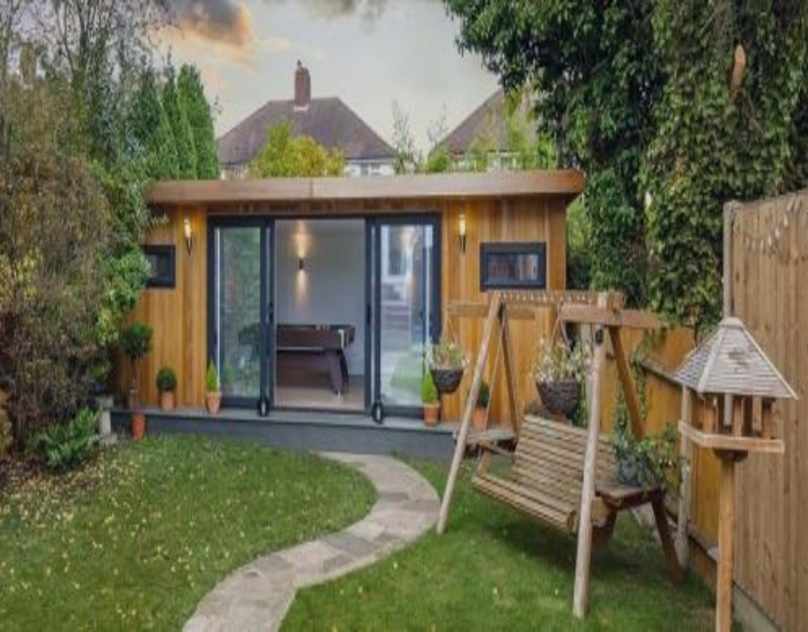
Many homeowners choose garden rooms because they provide additional space without sacrificing garden beauty. These structures blend seamlessly with landscaping, creating a natural extension of your living area rather than a detached building.
Why Garden Rooms Are Gaining Popularity
The demand for garden rooms has grown rapidly due to lifestyle changes and the need for flexible spaces. Remote work, home-based businesses, and wellness-focused living have made outdoor structures more desirable than ever.
Here’s why people are choosing garden rooms:
· They provide extra space without extending the main house
· They create separation between work and home life
· They enhance property appeal and usability
· They adapt easily to changing needs over time
Garden rooms allow homeowners to rethink how their outdoor space can function beyond traditional gardening or leisure use.
Garden Rooms as Functional Living Spaces
One of the biggest advantages of garden rooms is their versatility. They can serve multiple purposes, making them ideal for families, professionals, and creatives alike.
Home Office and Garden Studio Use
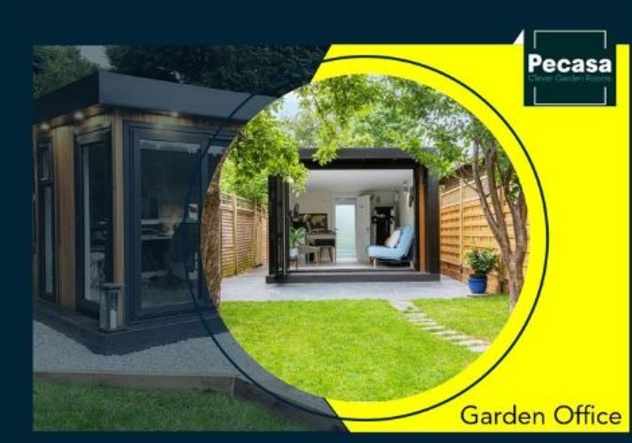
With more people working from home, a dedicated workspace has become essential. A garden studio offers a quiet, focused environment away from household distractions. Natural light, garden views, and a peaceful atmosphere can significantly improve productivity and well-being.
Garden studios are also popular among artists, writers, designers, and musicians. These creative spaces allow uninterrupted work while maintaining a strong connection with nature.
Relaxation and Wellness Retreats
Garden rooms can be transformed into personal sanctuaries. Whether used as a reading lounge, yoga room, or meditation space, they offer a calming environment separate from daily routines. This separation helps reduce stress and encourages healthier lifestyles.
Guest Accommodation or Family Space
Some homeowners use garden rooms as guest rooms or private spaces for teenagers and extended family. With proper insulation and planning, these structures provide comfort and privacy while remaining close to the main house.
Garden Buildings That Enhance Property Value
Well-designed garden buildings & garden studio do more than provide space—they enhance the overall value of your property. Buyers increasingly look for flexible layouts and outdoor living features, making garden rooms a strong selling point.
Unlike traditional extensions, garden buildings often require less construction time and disruption. Their visual appeal and functional benefits make them an attractive long-term investment.
Design Flexibility of Garden Rooms
One of the most appealing aspects of garden rooms is their customizable design. From modern minimal styles to natural wood finishes, garden rooms can match your home’s architecture and personal taste.
Layout and Size Options
Garden rooms can be compact or spacious, depending on available space and intended use. Open-plan layouts work well for studios and offices, while partitioned designs suit multifunctional use.
Natural Light and Ventilation
Large windows, sliding doors, and skylights are commonly incorporated into garden room designs. These features enhance natural lighting, improve ventilation, and create a bright, welcoming environment throughout the year.
Sustainable and Eco-Friendly Living
Sustainability is a growing concern for homeowners, and garden rooms align well with eco-friendly living. Many garden buildings are constructed using sustainable materials and energy-efficient designs.
Proper insulation helps regulate indoor temperature, reducing the need for excessive heating or cooling. Solar lighting, green roofs, and energy-efficient windows can further improve environmental performance.
Garden rooms encourage a closer connection to nature while supporting more responsible living practices.
Planning and Practical Considerations
Before investing in a garden room, it’s important to consider a few practical aspects to ensure long-term satisfaction.
Location Within the Garden
The placement of your garden room can impact usability, privacy, and comfort. Consider sunlight direction, accessibility, and how the structure fits within existing landscaping.
Year-Round Comfort
To ensure usability in all seasons, proper insulation, ventilation, and weatherproofing are essential. A well-built garden room should remain comfortable regardless of external conditions.
Maintenance and Durability
Modern garden buildings are designed for low maintenance, but regular care helps preserve appearance and functionality. Choosing quality materials ensures durability and long-term performance.
Garden Rooms vs Traditional Home Extensions
Many homeowners compare garden rooms with traditional house extensions when planning extra space. While both have benefits, garden rooms offer unique advantages.
· Faster installation compared to major construction
· Less disruption to daily life
· Greater flexibility in usage
· Strong connection to outdoor space
Garden rooms provide a practical alternative for those seeking additional living space without extensive renovations.
How Garden Studios Support Work-Life Balance
Separating professional and personal life has become increasingly important. A garden studio allows you to physically step away from your home environment while remaining close.
This separation helps establish routines, improve focus, and create a healthier balance between work and relaxation. Garden studios also offer a professional setting for virtual meetings or client interactions.
The Future of Garden Rooms and Garden Buildings
As lifestyles continue to evolve, garden rooms are expected to play an even bigger role in residential design. Homeowners want adaptable spaces that can change with their needs, and garden buildings offer that flexibility.
From smart technology integration to innovative materials, garden rooms are becoming more advanced while maintaining their core appeal—comfort, style, and practicality.
Conclusion: Transform Your Space with Garden Rooms
Garden rooms are more than just an outdoor addition; they are a lifestyle upgrade. Whether used as a garden studio, relaxation retreat, or multipurpose living area, these structures offer stylish solutions for extra living space.
With their design flexibility, functional benefits, and ability to enhance property value, garden rooms are an ideal choice for modern homeowners. By reimagining how your outdoor space can be used, you unlock new possibilities for comfort, productivity, and everyday enjoyment.
If you’re looking for a smart, elegant way to expand your living space, garden rooms and garden buildings provide a future-ready solution that blends seamlessly with your home and lifestyle.


Write a comment ...